
Building Management Systems are being reshaped by smart technology, better communication protocols and a harder focus on sustainability. The result is buildings that are more efficient, more responsive and cheaper to run.
What a BMS is
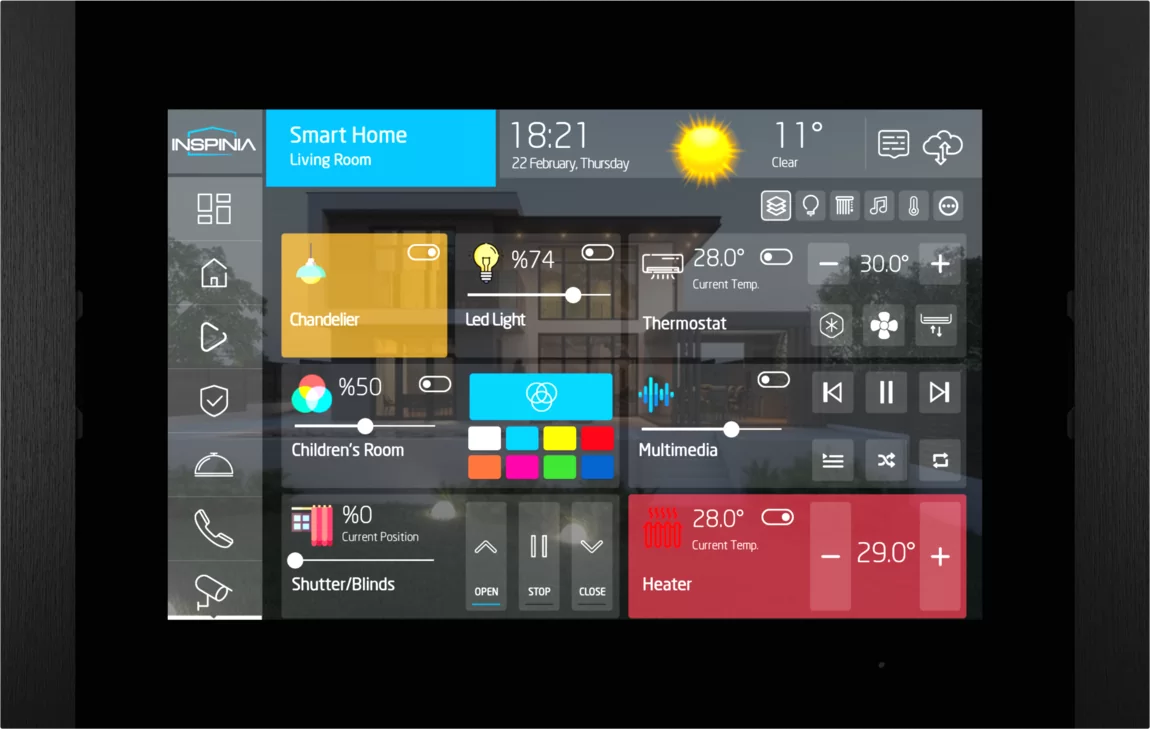
A centralized control system that monitors and manages a building's mechanical, electrical and electromechanical services — HVAC, lighting, security, fire. By automating and optimizing those functions it delivers operational efficiency, energy savings and occupant comfort. It is the backbone of smart building technology.
Where it is used
- Commercial buildings — HVAC, lighting and security automated for comfort at minimum consumption.
- Healthcare — precise environmental conditions in critical areas such as operating rooms, with compliance to match.
- Education — energy managed centrally across a campus.
- Retail — lighting and HVAC adjusted to real occupancy and foot traffic.
The trend that matters most
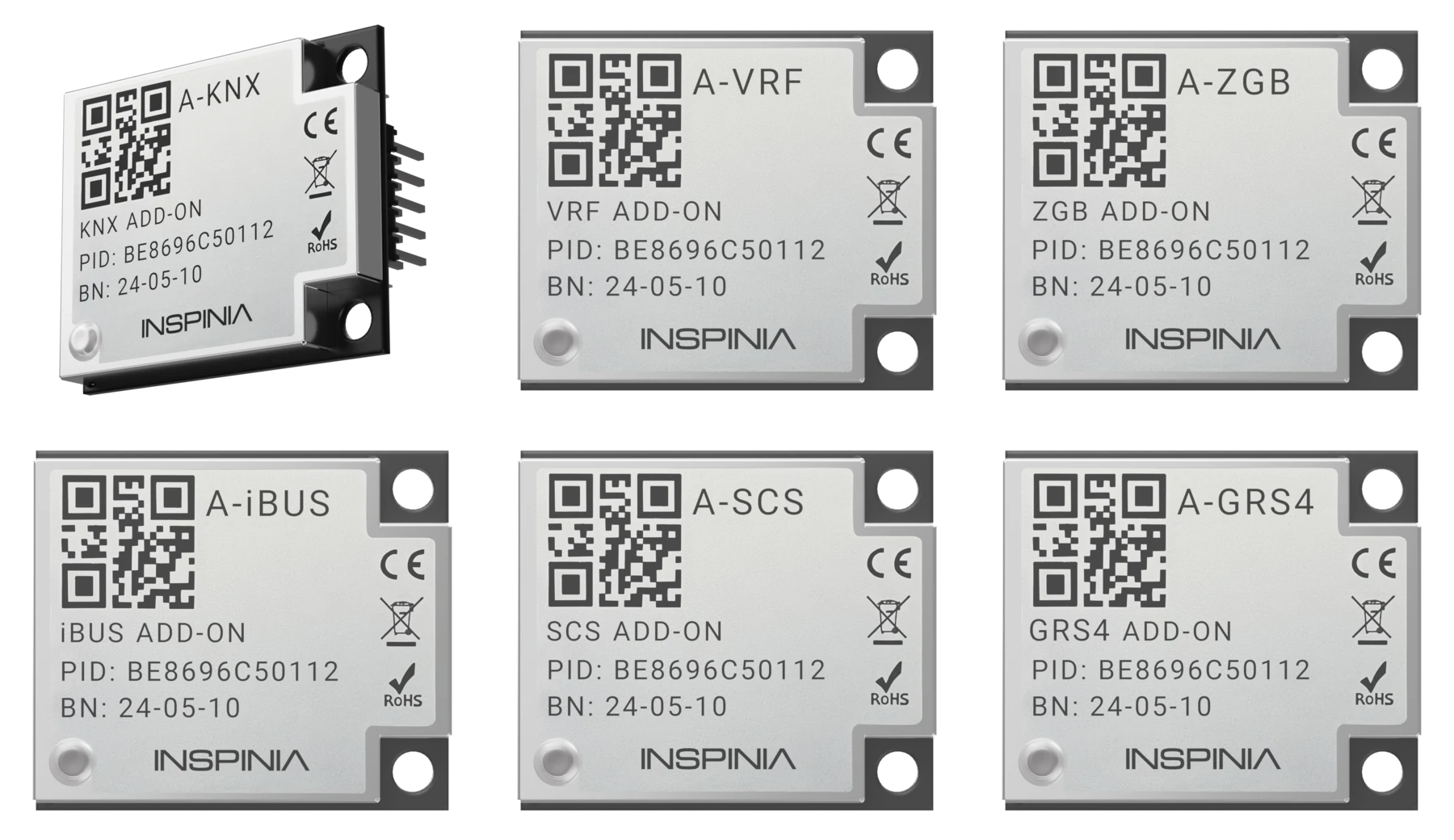
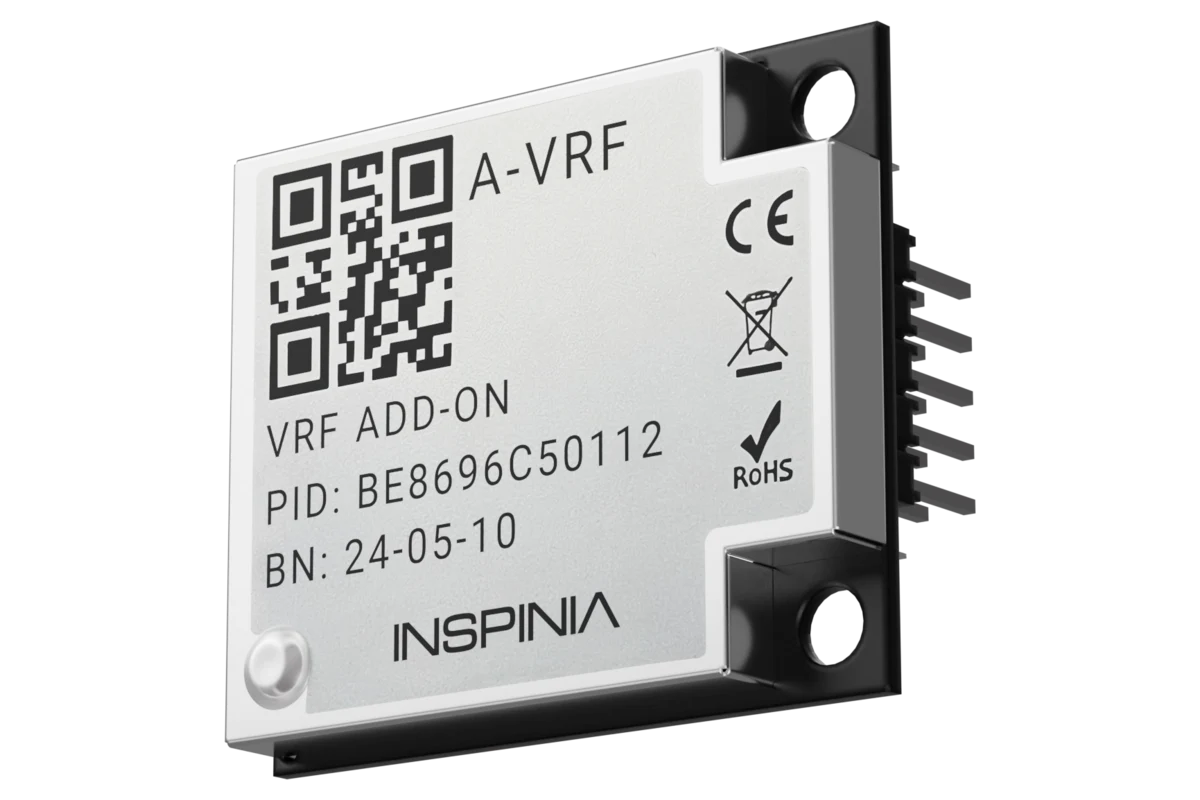
Next-generation communication modules. They enable faster, more reliable data exchange between HVAC, lighting and security, and the continued push toward open and standardized protocols means new systems can be added without replacing what is already installed. That is the difference between a building that can be upgraded and one that has to be ripped out.
Where to look next
See BMS solutions, the BACnet and Modbus integration pages, and the glossary entry on what a building management system is. Current datasheets are on the Products page.