
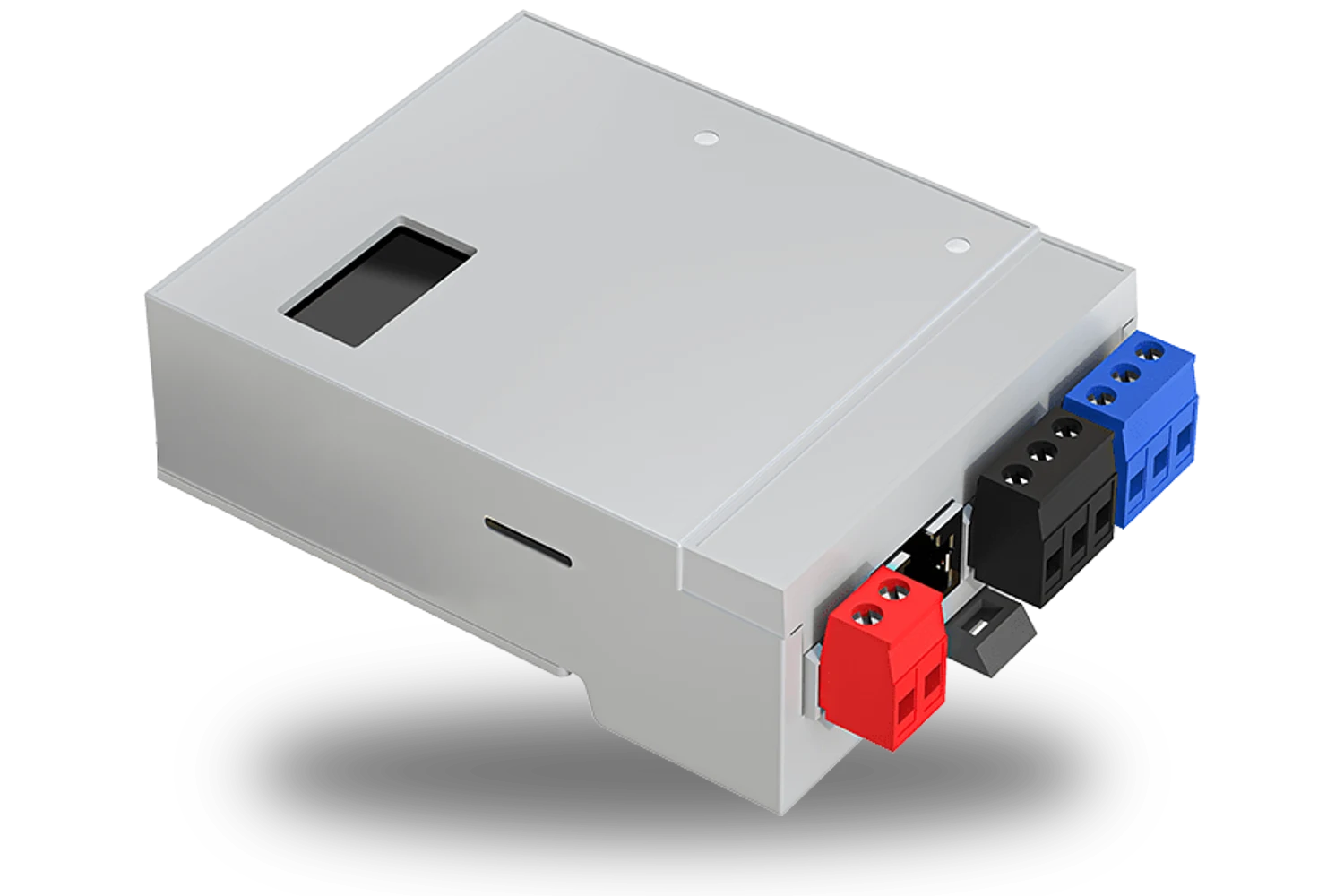
An IoT gateway is the intermediary between the devices in a building and the cloud or central control system. It collects data from sensors and devices, processes it, and passes it to where the decisions get made. Without it, the devices in a connected environment struggle to communicate at all.
What that looks like in practice
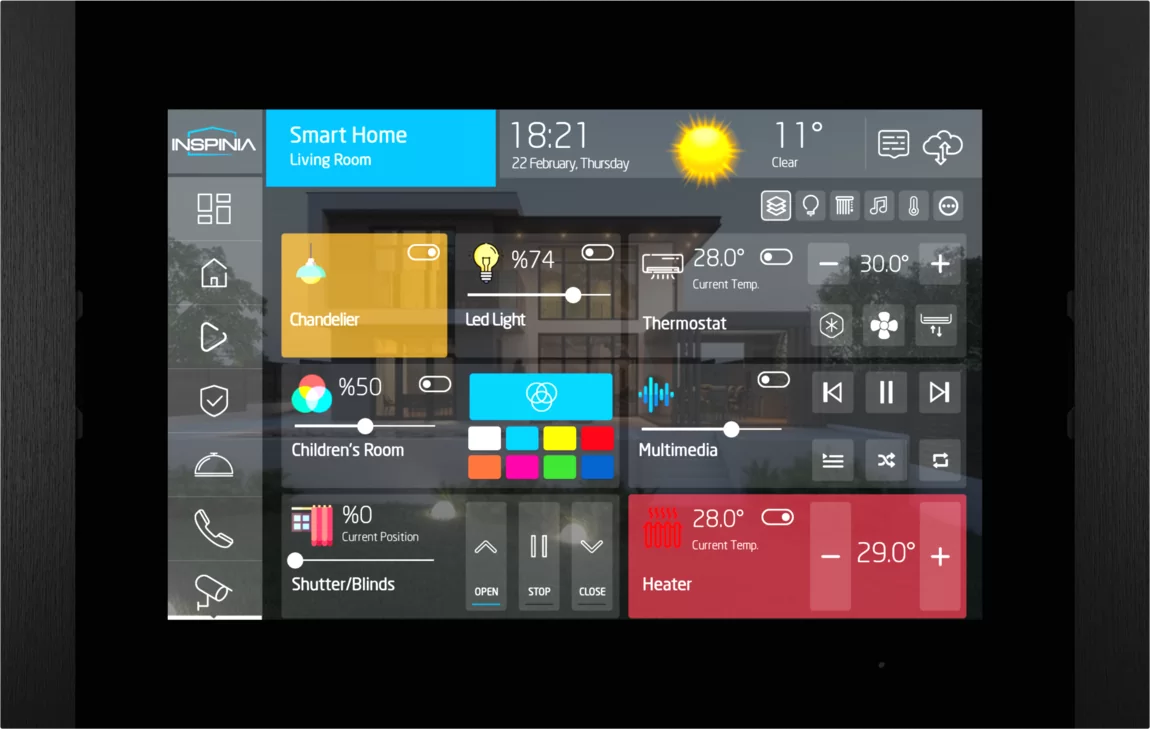
On a cold morning the temperature sensor reports to the gateway, which signals the thermostat to raise the heat before anyone is out of bed, and starts the coffee machine so it is ready by the time the kitchen is. In an office, the gateway reads motion sensors and temperature monitors ahead of a 9 a.m. meeting and brings up lights, climate and conferencing equipment without anyone touching a control.
Why a gateway rather than direct connections
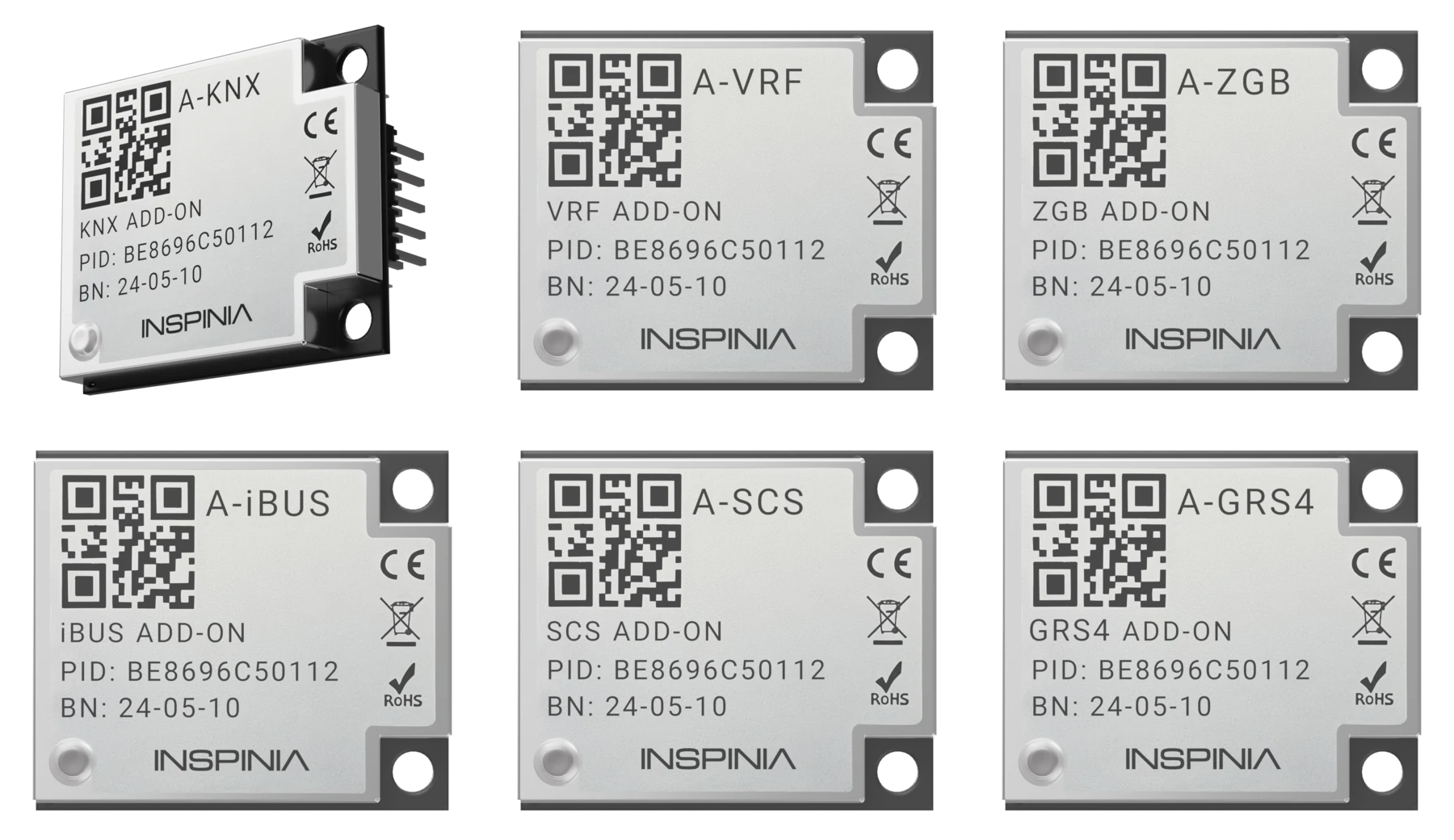
- Protocol translation — devices that speak different languages end up in one system.
- Local processing — decisions that must be fast, or must survive an internet outage, are made on site.
- Security — one controlled point of contact with the outside network instead of dozens.
- Data reduction — the gateway sends what matters upstream rather than every raw reading.
- Scale — new devices join the gateway instead of being wired individually to the cloud.
Where to look next
See the SkyThings Framework page for the protocols handled, and the glossary entry on IoT devices. Current datasheets are on the Products page.