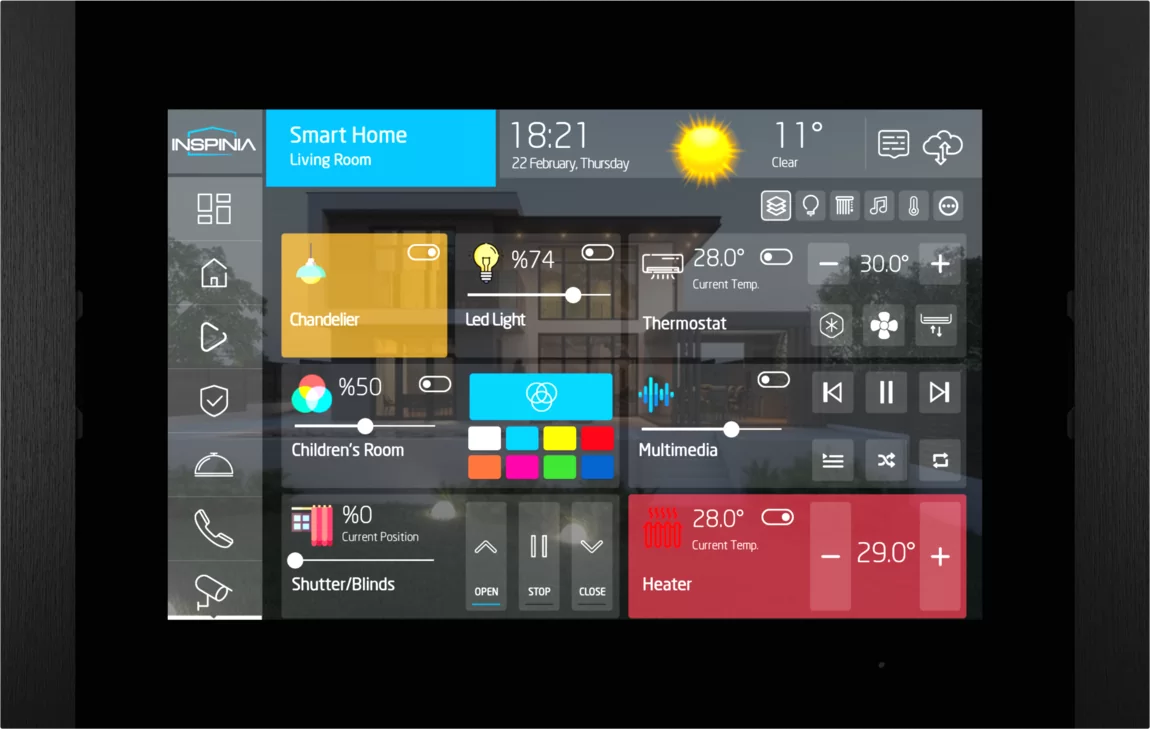

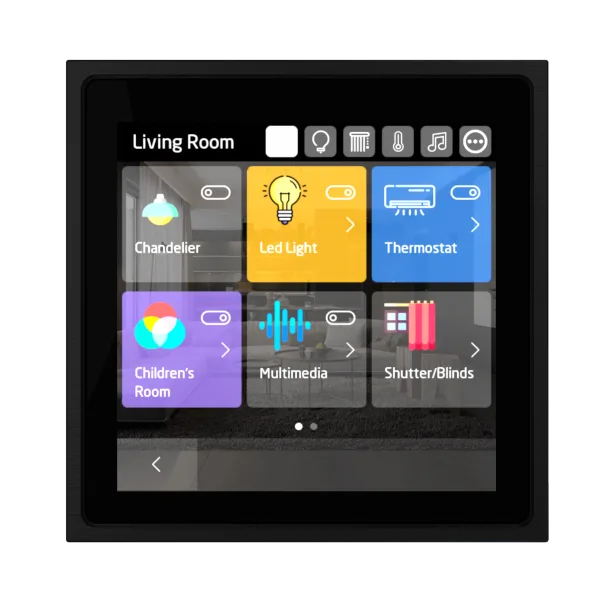
Home automation integration is the work of connecting and coordinating the smart devices in a home so they operate as one system, controlled from a single platform — an app, a voice command or a central interface, instead of one app per vendor.
What a fully integrated home looks like
Thermostats, lights, locks, cameras, entertainment, shutters, curtains, floor heating and voice assistants all interconnected, so routines become possible. A "Good Morning" routine adjusts the thermostat, opens the shutters and curtains, brings on the floor heating and starts a playlist — from one command.
Where it applies
- Lighting control — automated by time, occupancy or preference, which is where most of the energy saving comes from.
- Security — locks, cameras and sensors reporting to one place instead of three apps.
- Climate control — heating, cooling and shading working with each other rather than against.
- Entertainment — multimedia joining the same scenes as everything else.
- Energy — consumption visible per circuit, so the savings can be measured rather than assumed.
The thing that decides whether it works
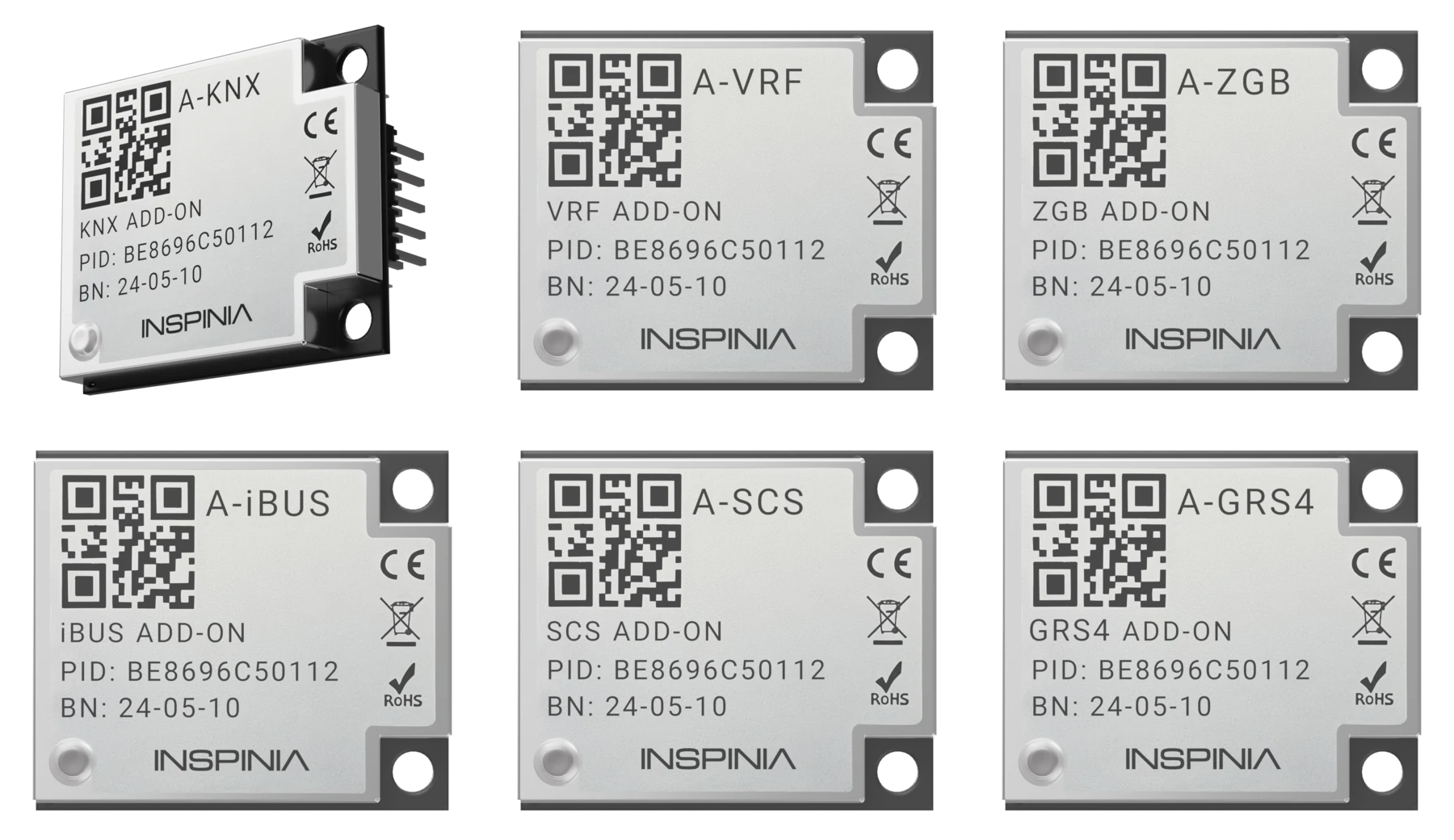
Compatibility. Devices have to speak protocols the control layer actually supports. That is the whole reason the Inspinia stack talks KNX, Modbus, BACnet, VRF, Zigbee, Wi-Fi and iNELS directly rather than through a chain of bridges.
Where to look next
See Home automation solutions, and the glossary entry on what home automation is.